

Endings And Beginnings
The Sign that Seals
February 14, 2021
Rev. Gabe Sylvia
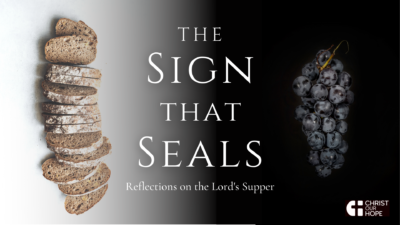
In Luke 22 Jesus institutes the Lord's Supper on the night of Passover, teaching that the bread communicates pardon and the cup communicates life as the new covenant, with the sacraments acting as seals that supply grace and the call to remember as an active feeding of the soul.
Summary
Set on the Passover night before his crucifixion, Luke 22 records Jesus' institution of the Lord's Supper, replacing the Passover meal with a ritual that both signifies and actually conveys God's gifts: the bread delivers pardon and the cup conveys life in the new covenant. The sacraments are presented not merely as symbols but as seals that supply what they represent, renewing what faith has already received. Jesus frames the meal to prepare his disciples for his imminent suffering and to give the church an ongoing, active way to remember and receive pardon and life through the Holy Spirit each time the supper is observed.
Key Points
- Luke 22 records the Lord's Supper, set on the Passover night before Jesus' crucifixion.
- Jesus earnestly desired to eat this Passover with his disciples to give them context for his suffering.
- The bread of the supper represents and delivers pardon—'this is my body given for you.'
- The cup is the cup of the new covenant and delivers life from Jesus' poured-out blood.
- Sacraments are seals that supply what they signify: they do not save apart from faith but they give believers more of what faith has received.
- Calls to 'remember' are calls to action, not passive reflection; participating feeds the soul by the Spirit.
- Jesus instituted the supper to replace the Passover in Christian worship and to continually renew pardon and life for the church.
The audio description and summary text on this page was generated using AI, please report any errors to office@christouhopechurch.com